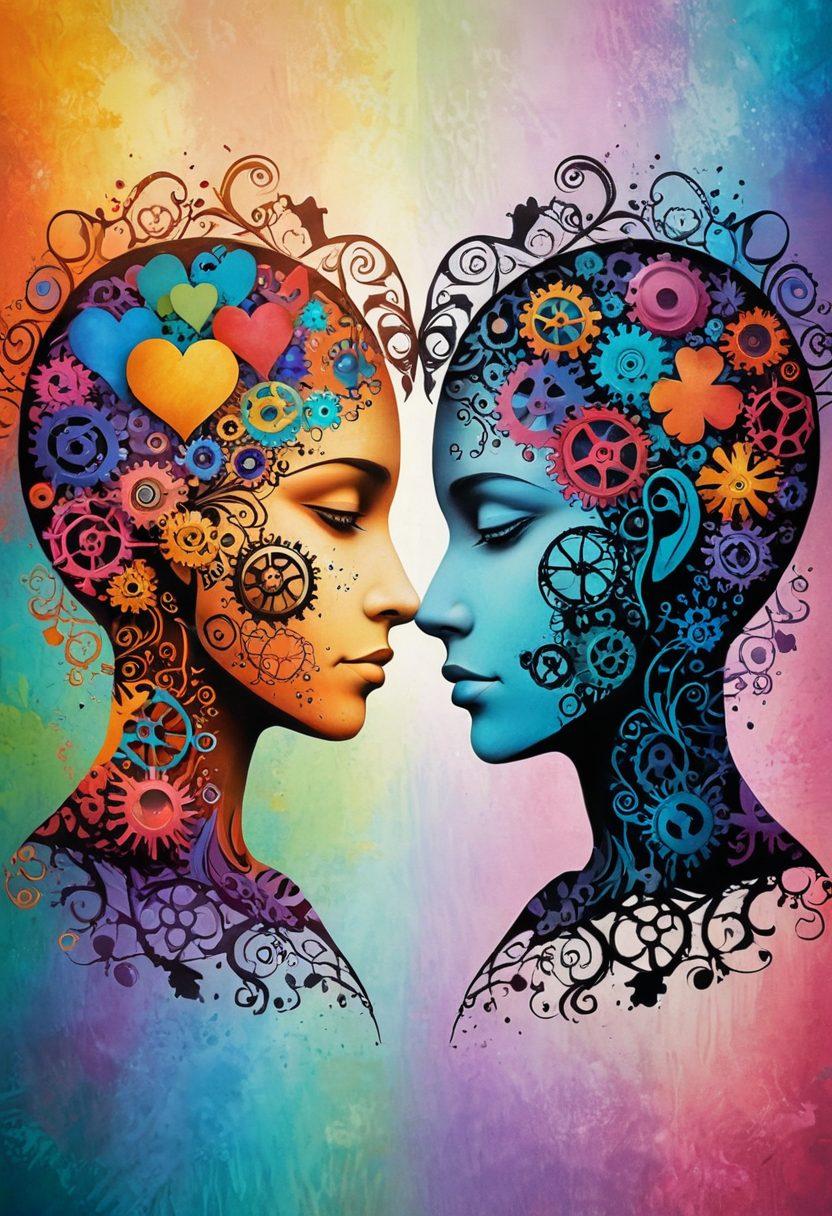
The Science of Love: Unpacking the Psychology and Sociology of Relationships
When we think about love, we often envision candlelit dinners, heart-shaped boxes of chocolates, or perhaps a screenplay-worthy romantic gesture. But love is much more than that sweetened exterior; it’s layered with complexity, shaped by both the psychology and sociology of interpersonal connections. How do affection and attachment intertwine to form the beautiful, messy tapestry of our relationships? Let's explore the profound emotional fabric that binds us in partnerships and intimacy, as well as the science behind it all. After all, in a world teeming with stories of romance and connection, what really makes the heart flutter?
The journey of love is often marked by profound affection and deep-seated attachment. Affection serves as the glue that holds relationships together, creating that heartfelt connection we all crave. Studies on love suggest that affection is not just a fleeting emotion; it is an essential component of emotional intelligence in relationships. Think back to your most cherished memories — they likely involve moments of closeness, whether shared laughter over a dinner table or quiet whispered secrets in hushed tones. How did these moments shape your bond?
Now, let’s consider attachment, which deepens our understanding of relationship dynamics. According to behavioral science, attachment styles dictate not just how we experience romance, but how we navigate life's ups and downs with our partners. Are you the anxious type, always seeking reassurance, or perhaps the avoidant one, hesitant to get too close? These styles influence everything from daily communication to long-term intimacy. Reflect on your own behavior — how do you build connections? This awareness can be a powerful tool in enhancing your relational experience.
What turns a fleeting encounter into a lasting partnership? A critical element lies in the social dynamics of love, where passion and sentiment play pivotal roles. These feelings can ignite fires of romance, but they also require stewardship through active engagement and dialogue. After all, strong relationships don’t just happen — they are cultivated through intentional behaviors and positive reinforcement. As you navigate dating and intimacy, how can you implement practices that nurture deeper bonding?
Ultimately, the rich emotional tapestry of love teaches us that human interaction thrives on a blend of affection, attachment, and emotional intelligence. By recognizing the key factors that contribute to our relationship dynamics, we can transform the way we relate to partners, friends, and ourselves. So, as you reflect on your own connections, consider: Are you merely coasting through or are you engaging with depth and authenticity? Love is not just a feeling; it’s a commitment to understanding and growing with someone else. Let's celebrate the connection we have with one another — it makes the journey all the more worthwhile.
Love Decoded: The Intersection of Psychology and Sociology in Romance
In a world that seems overflowing with information, understanding the depths of love often feels like deciphering a complex code. Love, that powerful sentiment, is not just about the butterflies in your stomach or the charming texts you send on a romantic evening. It's a confluence of psychology and sociology, intertwining the intricate dynamics of human behavior with the rich tapestry that is our social fabric. When we strip down the layers of romance and affection, we reveal a fascinating interplay of emotional intelligence and bonding, the very elements that tie us together in meaningful partnerships.
Imagine sitting in a café, witnessing a couple locked in conversation, their laughter echoing amidst the busy chatter. What makes their connection so compelling? More often than not, it's a product of effective communication and interpersonal connection cultivated through previous experiences. Modern studies on love frequently reveal the importance of emotional intelligence—the ability to understand one's own emotions as well as those of others. This awareness, in turn, plays a pivotal role in relationship dynamics, guiding how partners navigate the various challenges their love may encounter.
As we dive deeper into the psychology of relationships, it becomes clearer that attachment styles significantly influence how we engage in dating scenarios. Are you the secure partner who thrives on closeness, or perhaps the anxious one who yearns for affirmation? Understanding these attachment styles sheds light on behavior patterns that dictate intimacy and connection with others. It's a beautiful, albeit intricate, dance where each step—every expression of passion or affection—reveals underlying motivations and emotions that govern our choices in love.
But what about the sociological aspects? Our relationships do not exist in isolation; they are influenced by social dynamics, cultural norms, and shared experiences. Sociology provides key insights into how external factors—family backgrounds, community standards, and even media portrayals of love—shape our romantic ideals. The bonds we forge are often reflections of these societal constructs, challenging us to navigate our own desires within the frameworks created by those around us. Have you ever stopped to think about how your own relationship is colored by these influences?
Ultimately, love is both a science and an art. It's about the heartfelt connection we foster and the intricate patterns of human interaction that define our relationships. Recognizing the intertwined roles of psychology and sociology can empower us to enhance our partnerships and improve our emotional well-being. So, the next time you find yourself swept up in the waves of romance, take a moment to acknowledge the complex undercurrents at play. Engage in deeper conversations with your partner, explore your attachment styles, and reflect on the larger social narratives that surround you. After all, love is not just about connection—it's about understanding the science that encompasses it.
Dynamic Connections: Unveiling the Secrets of Intimacy and Emotional Intelligence in Partnerships
When we think of love, we often imagine a whirlwind of passion, affection, and the excitement of new romance. But beneath this surface lies a complex tapestry woven from threads of attachment, communication, and emotional intelligence. How do we nurture these dynamic connections that form the foundation of our partnerships? What secrets can the studies on love unveil about the intimacy we seek in our relationships? As we dive deep into the psychology and sociology of relationships, we will discover the fundamental elements that cultivate a heartfelt connection between partners.
Imagine standing in a crowd, each person a unique thread in the fabric of humanity. Now, picture two threads intertwining to create a bond of intimacy. This is the beauty of interpersonal connection—a dance of emotions and behaviors that defines our partnerships. It's fascinating to explore how emotional intelligence plays a pivotal role in this dance. Those who can navigate their own feelings while empathizing with their partner's emotions are more likely to cultivate strong attachment and enduring affection. How can we hone this skill?
One of the most intriguing aspects of relationship dynamics is the concept of bonding. Studies show that shared experiences and open communication can significantly enhance emotional intimacy between partners. Think back to a moment in your own life: a shared adventure, a heartfelt conversation, or even a simple routine. These moments create reservoirs of sentiment that fortify the partnership. Ask yourself, how can I be more intentional in my interactions to foster a deeper connection with my loved ones?
As we delve deeper into the social dynamics of dating and relationships, we must also confront the challenges that arise. Behavioral science tells us that misunderstandings can create rifts in our connection. It’s easy to fall into patterns of miscommunication, especially when emotions run high. How can we counteract this? By developing our emotional intelligence, we can transform conflicts into opportunities for growth and intimacy. Remember, it's not about avoiding disagreements but learning to navigate them with grace and understanding.
In conclusion, the secrets of intimacy and emotional intelligence reveal that love is not just a feeling but a learned skill. As we continue to explore the science of love, let us remain open to experiencing the magic of human interaction. Whether through heartfelt conversations, acts of affection, or the simple joy of shared laughter, we can reshape our relationships into fulfilling partnerships. Are you ready to embark on this journey of discovery, enhancing the richness of your emotional connections?